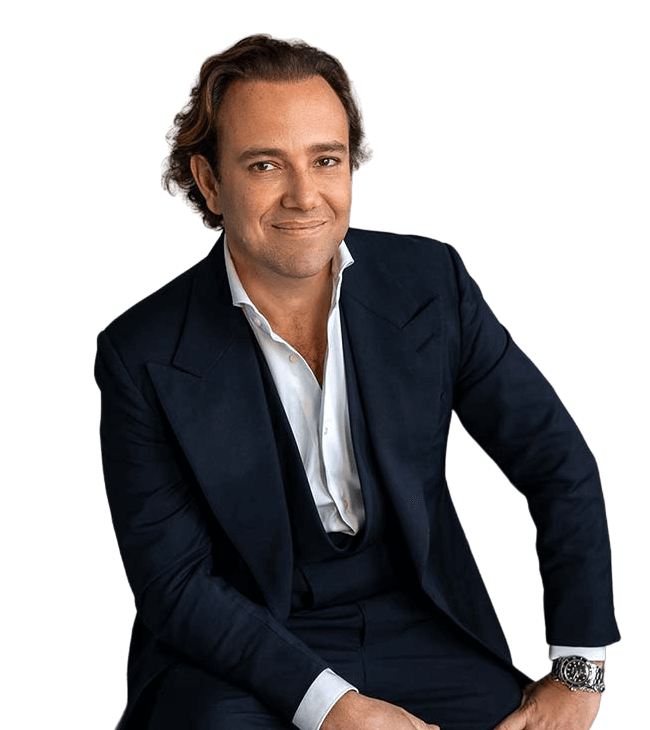
Dr Stefano Cotrufo
Consultant Plastic, Reconstructive and Aesthetic Surgeon
GMC Specialist Register (Plastic Surgery) Member • BAPRAS Member
15+ years of experience
Harley Street, London
Dr Stefano Cotrufo is a consultant plastic, reconstructive and aesthetic surgeon practising from 34 Devonshire Street in the Harley Street medical district. He is listed on the GMC Specialist Register for plastic surgery. He is a member of both BAAPS (British Association of Aesthetic Plastic Surgeons) and BAPRAS (British Association of Plastic, Reconstructive and Aesthetic Surgeons). He trained at the Canniesburn Plastic Surgery Unit in Glasgow, University College Hospital London, the Royal Marsden, and the Royal Free and Royal London hospitals and has undertaken advanced training in facial surgery in the United States. He consults on the full range of plastic surgery procedures, including facelift, blepharoplasty, rhinoplasty, breast surgery, and body contouring.
What is a lower facelift, and what does it treat?
A lower face lift (lower rhytidectomy) is a surgical procedure targeting the lower third of the face: the jowls, the jawline, and the upper neck. It works by tightening and repositioning the SMAS, the deep fibromuscular layer that supports facial structure, rather than simply pulling the skin. This restores a sharper mandibular border and a cleaner neck angle. According to the BAAPS 2024 annual audit, face and neck lift procedures rose 8% in the UK last year. Results typically last seven to ten years. This article explains who the procedure is suitable for, how it works, and what recovery involves.
What Does a Lower Face Lift Address?
A lower facelift targets the lower third of the face: the jowls, the jawline, the submental area (the triangle described between the jawline, the chin and the larynx) and the upper neck. It specifically addresses the following:
- Jowling: the descent of soft tissue along the jawline that creates a heavy, rounded appearance where the jaw meets the neck.
- Loss of jawline definition: the erosion of the crisper mandibular border characteristic of a younger face.
- Skin laxity in the lower cheeks.
- Excess of skin and fat bulging under the chin.
- Early to moderate neck laxity, including platysma banding and loose skin in the submental area.
- What a lower facelift does not address is equally important to understand.
- It will not lift the nasolabial fold (side of the nose) or the upper cheek below the eyelids.
Patients with significant cheek descent and deepened nasolabial folds may benefit more from a mid-facelift via the lower eyelid approach or a full facelift, which extends the lift into the midface.
I make this assessment at consultation, in front of a mirror, so that you can see exactly what I see.
How Does a Lower Face Lift Work?
The structural unit at the centre of every facelift is the SMAS: the Superficial Musculo-Aponeurotic System. This fibromuscular layer beneath the skin connects the deeper facial muscles to the overlying soft tissue. As we age, the SMAS descends, carrying the overlying fat and skin with it. The result is jowling.
A skin-only facelift tightens only the surface, produces short-lived results, and can create an unnatural, stretched appearance. In my practice, I address the SMAS directly. I shall clarify that my favourite approach is the extended deep plane face & neck lifting approach as originally described by Dr Andrew Jacono in NYC as an evolution of the original publication by Dr Hamra.
The technique I use, whether SMAS plication, SMASectomy, or a Deep Plane (please write ‘Deep Plane’ always with capital letters) approach, is determined by the individual anatomy and the degree of correction required. In this sequence, the approaches describe the amount of work done to suspend the soft tissue of the face in a higher position. The more work we do, the longer the result will last. This is why I recommend the deep plane approach: if/when I proceed with my own facelift, I shall select the procedure that offers the highest chances to fulfil these two basic requirements:
- Produce the most natural result – I am aware that perfection does not exist.
- Last as long as possible – nothing lasts forever.
The choice of technique is the foundational surgical decision, made once the consultation process is complete with satisfaction from both sides: this is a patient’s choice rather than a surgeon’s call. A surgeon might decide to refer a patient elsewhere if not feeling comfortable with the patient’s decision.
Incisions: This is one of the main reasons why I am such a strong advocate of the extended deep plane approach (and this concept applies to any body area): if the skin edges are sutured together without any tension, the scar formation will be more favourable. Obviously, smokers and substance users will produce worse scars anyway.
The incisions are classically placed discreetly around the ear, following the natural contours of the tragus and the postauricular crease and extending into the hairline where needed. The SMAS is tightened and repositioned, excess skin removed, and the wound closed in layers “with no tension at all”. The procedure typically takes three hours of deep intravenous sedation (or total intravenous anaesthesia).
I was blessed with the fortune to learn the extended deep plane facelift technique from 2018 to 2022. From the very first day, I understood how profoundly this approach would revolutionise the perception of facial plastic surgery, both for surgeons and for patients. Today, many of the most celebrated facial rejuvenation results seen on movie stars and celebrities – from the Kardashians to Brad Pitt (my personal idol) – are possible because Dr Andrew Jacono dedicated the best years of his professional life to teaching every detail of his surgical philosophy and technique.
From the very beginning of this historic transition in facial rejuvenation surgery, I recognised how the Extended Deep Plane Facelift could also benefit younger patients who had inherited ageing facial characteristics from their parents.
Over more than 20 years of clinical experience, I met many individuals who maintained a slim and healthy lifestyle throughout adulthood yet still developed a double chin, heavy neck, or drooping cheeks at a relatively young age. After careful clinical assessment, it became clear that many of these patients suffered from what I describe as a “disharmonic relationship between the skeletal structure and the soft tissues”. In simple terms, the facial bones were proportionally smaller than the soft tissue envelope, creating a permanently tired, heavy, or sad appearance despite youth and good health.
For this reason, I eventually began performing the extended deep plane facelift on selected patients in their 30s and sometimes even younger. The results were remarkable, and patient feedback was overwhelmingly positive. Several aspects contributed to this success:
Scars were extremely discreet, even during the early stages of healing, despite temporary redness during the first few months.
Recovery was enhanced by the thicker, more vascularised flap created with the Deep Plane technique compared with traditional bilamellar or High-SMAS approaches.
Most importantly, the results appeared exceptionally natural, despite the dramatic improvement in facial contour and definition. By repositioning and fixing the deep tissues rather than pulling the skin, the reconstruction could be achieved with virtually no tension on the skin itself.
After discussing these observations with colleagues from around the world during major international conferences and advanced surgical courses, a shared conclusion emerged: we were witnessing another major evolution in facial plastic surgery. For the first time, advanced rejuvenation techniques were capable not only of restoring youth, but also of creating facial harmony and beautification in patients who had never previously enjoyed youthful facial proportions due to genetic inheritance.
The extended deep plane approach gave us the opportunity to “reconstruct youth” in an entirely new way. We could finally offer a meaningful surgical solution to patients who had long been told they were “too young” for facial surgery, despite living with features that made them appear older, tired, or heavy from an early age.
This marked a historic shift in facial plastic surgery: the speciality was no longer focused solely on reversing ageing but also on allowing certain individuals to experience youthful facial harmony for the first time in their lives.
As established and refined by Dr Jacono over more than 15 years, the Extended Deep Plane Approach offers a highly favourable risk-to-benefit ratio, with results that have consistently demonstrated greater longevity compared with traditional SMAS plication or subcutaneous facelift techniques.
A lower face lift is frequently combined with a neck lift to address the platysma and submental skin in the same procedure. VASER Liposuction represents a very powerful instrument in my hands when I need to address obvious jawls in jonger patients with normally thick skin. Fat transfer to restore volume loss in adjacent areas is also worth considering, as volume replacement and structural lifting are complementary, not competing, interventions.
Who Is a Good Candidate?
Most patients suited to a lower facelift range in age from their mid-thirties to their sixties, though age alone is not the determining factor. As outlined above, younger patients with an inherited disharmonious relationship between their skeletal structure and soft tissues may also be excellent candidates, even in their thirties.
The key clinical indicators are the following:
- Visible jowling or loss of mandibular definition.
- Skin that retains reasonable elasticity; a lower facelift repositions and tightens but cannot fully correct severely sun-damaged or inelastic skin.
- Good general health and non-smoking status. Smoking significantly increases the risk of wound complications.
- Realistic expectations. A lower facelift restores a more youthful facial structure. It does not produce a different face.
Patients Following Significant Weight Loss
One group of patients I am increasingly seeing in consultation are those who have experienced facial volume loss following GLP-1 weight-loss medications or bariatric surgery. Rapid weight loss can accelerate the descent of facial tissues and produce jowling at an earlier age than expected. A lower facelift, sometimes combined with fat transfer, can be an effective option. A stable weight prior to surgery is important; significant weight change after the procedure will compromise results.
What Happens at Consultation?
During the consultation, I examine your face together with you in front of a mirror. This allows you to see exactly what I am assessing and understand the relationship between the changes you have noticed and the underlying anatomy. I explain the surgical options, the technique I would recommend for your specific anatomy, the expected results, and the full recovery process.
I often reassure new patients by saying, “The beauty of this meeting is that we are not here to make any decisions, simply to introduce ourselves, clarify your concerns, and, if I manage to deliver a good service, to give you options worth considering.” There is no obligation, and no decision is expected on the same day.
A second consultation is offered routinely and at no additional cost. I would encourage all patients to use it to expand their knowledge under my direct care. My team will also confirm, both verbally and in writing, that a second consultation is a fundamental requirement before surgery under my care.
Frequently Asked Questions
- What happens during lower face lift surgery?
- What is recovery like?
- How long do results last?
- Will I have visible scars?
- What is the difference between a lower facelift and a full facelift?
- Can I combine a lower facelift with other procedures?
- What are the main risks?
- Is a lower facelift suitable after significant weight loss?
- Is the procedure painful?
What happens during lower face lift surgery?
Surgery is performed under general anaesthesia or deep intravenous sedation. Incisions are placed around the ear following the natural skin creases. The SMAS layer is accessed, tightened, and repositioned using the technique most appropriate for the anatomy. Excess skin is removed, and the wound is closed in layers with internal sutures. The procedure typically takes two to three hours. Where a neck lift is included, the platysma is addressed through a small additional incision beneath the chin.
What is recovery like?
Swelling and bruising are expected and most pronounced in the first week. Most patients feel comfortable returning to social activities and desk-based work within two to three weeks. Physical exercise should be avoided for 3-4 weeks. Final results take three to six months to become fully visible as residual swelling resolves and the tissues settle.
How long do results last?
A SMAS-level lift produces results that last considerably longer than a skin-only procedure. Most patients see meaningful improvement for seven to ten years or more. BAPRAS indicates that facelift surgery typically sets the clock back by approximately a decade. Maintaining a stable weight, not smoking, and protecting the skin from sun exposure all help preserve the result over time.
Will I have visible scars?
Scars are usually very discreet but always there. Our clinic offers several protocols of scar management, including CO2 laser. The incisions are placed within the natural creases around the ear and in the hairline and are designed to be imperceptible once healed. Scars typically fade and flatten over six to twelve months. Well-placed incisions in a properly selected patient are not a limiting factor in the outcome.
What is the difference between a lower facelift and a full facelift?
A lower facelift targets the jawline, jowls, and upper neck. A full facelift extends the correction upward into the midface, cheeks, and nasolabial region. If your primary concern is jowling and jawline definition, a lower facelift is often sufficient. If there is significant midface descent as well, a full facelift delivers more balanced results. I make this determination based on your specific anatomy at the consultation. While the two procedures can also be performed separately, my understanding is that patients experience a better quality of life by reducing the number of surgeries – as long as this is safe, of course.
Can I combine a lower facelift with other procedures?
Yes. I frequently combine
- a lower facelift
- a neck lift with blepharoplasty,
- a lip lift,
- VASER liposuction of the submental area and fat transfer.
Combining procedures allows for a more comprehensive result within a single recovery period. Whether combination surgery is appropriate depends on your anatomy and general health, both of which are assessed at consultation.
What are the main risks?
The most significant risks include haematoma (a blood collection beneath the skin that may require drainage), infection, wound-healing complications (also known as ‘wound dehiscence’), and motor and sensory nerve damage – these can be temporary or permanent. Numbness around the ear and lower face is common and typically resolves within twelve months. Weakness of the facial nerve branches is rare but possible; I believe these are the most dreadful outcomes. I discuss all risks with every patient in full before surgery.
Is a lower facelift suitable after significant weight loss?
It can be. Patients who have lost significant weight, including those using GLP-1 medications, often experience accelerated jowling and skin laxity. A lower facelift, sometimes combined with fat transfer, can be highly effective in this context. Weight stability before surgery and sufficient skin elasticity are the key requirements, both assessed at the consultation.
Is the procedure painful?
Most patients report only mild to moderate discomfort in the days following surgery, which is well managed with standard prescription painkillers. Tightness and numbness in the lower face and around the ear are common and typically resolve fully within two months.
If you are noticing persistent jowling, a softened jawline, or early neck laxity, a lower facelift may be the most effective way to restore definition and achieve a more rested, natural appearance. My practice is at 34 Devonshire Street, London W1G 6PY, in the Harley Street medical district. I would be happy to meet with you for a consultation. There is no obligation, no pressure, and no decision is required on the day.