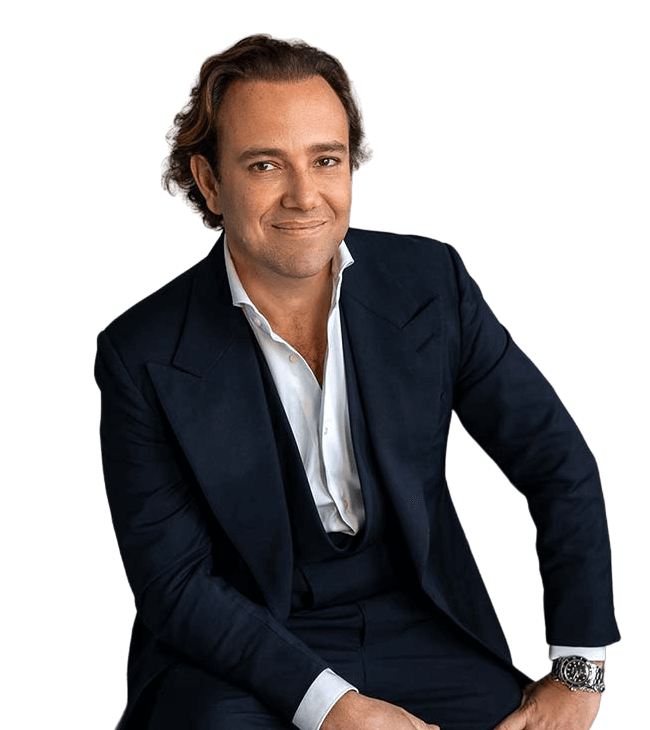
Dr Stefano Cotrufo is a Board Certified Plastic Surgeon in London Harley Street with over 15 years’ experience as a plastic surgery and reconstructive microsurgery specialist.
Results
Summary
 Procedure time
4-8 h
 Anaesthesia
Local and/or twilight
 Hospital stay
Not required
 Support garment
2 days
 Exercise
From 8-10 weeks (selected exercises)
 Recovery
3-4 weeks
 Final results
9-12 months
What Is FUT Hair Transplant Surgery?
FUT hair transplant surgery involves removing a thin strip of scalp from the donor area, which is usually located at the back of the head where hair typically remains dense and stable throughout life. Once the strip is taken, it is carefully dissected under magnification into individual follicular units. These units contain naturally occurring groups of one to four hairs. After preparation, the follicular units are implanted into the thinning or balding areas of the scalp. This placement is carried out with precision to ensure the result follows the natural direction, pattern and density of the patient’s hair. The donor area is then closed with fine sutures, leaving a linear scar that is usually concealed by surrounding hair when kept at a moderate length.
FUT enables the harvesting of a substantial number of grafts in a single procedure, making it suitable for individuals with more advanced hair loss or those wanting to achieve maximum coverage at once. Because the follicles are taken from regions typically resistant to thinning, the transplanted hair can grow naturally and long term, supporting a fuller and more permanent restoration.
The FUT Procedure
A FUT hair transplant begins with a detailed assessment of the patient’s hair loss pattern, donor availability and goals for treatment. The procedure itself follows a structured sequence. After marking the donor and recipient areas, a strip is removed from the donor region. This strip is then passed to a surgical team who use microscopes to separate it into follicular units with care and accuracy. The receiving sites on the scalp are prepared through the creation of fine incisions, and the grafts are inserted individually.
Once the grafts have been placed, the donor area is closed. The healing phase begins immediately after surgery. The early days involve mild tightness or discomfort in the donor area as the incision settles. Over the following weeks, the implanted hairs enter a resting phase and are likely to shed, which is a normal part of the cycle. New growth gradually appears after several months and continues to improve over time. Final results typically become visible between nine and twelve months after the procedure, with the restored hair blending naturally with existing growth.
Who Is Suitable for FUT?
FUT is often selected by individuals who need a large number of grafts or who are experiencing substantial thinning or advanced patterns of hair loss. It is also well suited to people who want to treat multiple areas such as the hairline, crown or widespread thinning in a single session. Because a linear scar is created during the procedure, it is generally recommended for those who prefer to keep their hair at a length that comfortably conceals this fine line. Patients who prioritise high graft yield and long-term density may find FUT to be an effective option.
FUT Results and Recovery
The recovery process following a FUT hair transplant develops gradually. The donor area typically begins to heal within the first week, and sutures are usually removed around seven to ten days after the procedure. The transplanted hairs may shed in the first one to two months, which is an expected phase of the growth cycle. New hair growth generally begins around three to four months after treatment, with increasing density and volume developing between six and twelve months. Because the follicles are taken from hair-bearing areas that naturally retain strength throughout life, FUT offers durable and lasting improvements.
Why Choose Dr Stefano Cotrufo for FUT Hair Transplant in London
Choosing Dr. Stefano Cotrufo for a FUT hair transplant means selecting a surgeon renowned for meticulous planning, refined technique, and a commitment to achieving natural-looking outcomes. His approach is grounded in careful assessment and an understanding that every patient presents a unique pattern of hair loss, donor characteristics and aesthetic expectations. Dr Cotrufo applies the same high standard of detail that defines his facial and body procedures, ensuring each graft is positioned to follow the natural angle and direction of the patient’s hair.
Patients under his care benefit from a supportive and clearly guided treatment journey. From the initial consultation to the final stages of hair growth, he prioritises safety, comfort and transparent communication. His dedication to refinement and precision allows him to tailor FUT treatment plans that deliver balanced, seamless and long-lasting results for individuals seeking restoration that feels authentic and personalised.
FAQs on Follicular Unit Transplantation (FUT)
- How does FUT differ from other transplant techniques?
- Will FUT leave a visible scar?
- Is FUT suitable for people who keep their hair short?
- How long does it take to see the final results of FUT?
- Is the outcome of FUT permanent?
- How many grafts can be transplanted with FUT?
- What is recovery like after FUT?
How does FUT differ from other transplant techniques?
FUT involves removing a strip of scalp from the donor region and separating it into individual follicular units for placement. This differs from methods where follicles are extracted individually. FUT is particularly suited to individuals who require a higher number of grafts in one procedure, offering significant coverage in a single session based on information from the reference pages.
Will FUT leave a visible scar?
FUT results in a linear scar at the donor site. This scar is usually concealed when the hair is kept at a moderate length. If hair is worn very short, the scar may be more noticeable, as described in the source material.
Is FUT suitable for people who keep their hair short?
The reference pages explain that FUT is more appropriate for individuals who prefer longer hair, as the linear scar may show through very short styles. Those who want extremely short haircuts may find other methods more suitable.
How long does it take to see the final results of FUT?
According to the reference information, transplanted hairs shed within the first couple of months and begin growing again around month three or four. Full visible results generally appear between nine and twelve months.
Is the outcome of FUT permanent?
The reference sources explain that grafts taken from the donor area are typically resistant to common forms of hair loss, meaning the results can be long-lasting.
How many grafts can be transplanted with FUT?
FUT can produce a high number of grafts in one session, allowing broad coverage across areas such as the hairline and crown. The capacity for a large graft yield is one of the reasons FUT is recommended for more extensive restoration.
What is recovery like after FUT?
Recovery includes an initial healing phase in the donor area, with sutures usually removed within about ten days. The transplanted hair sheds before entering a new growth cycle, with noticeable improvement developing gradually over several months.
Still have questions?
If you are considering FUT in London, reach out to Dr Stefano Cotrufo for a confidential consultation and take the first step towards renewed comfort and confidence. You can also view our testimonials or follow us on Instagram. Call 0207 873 2330 or enquire below.
Dr Stefano Cotrufo






© 2026 Dr Stefano Cotrufo | All rights reserved
© 2026 Dr Stefano Cotrufo | All rights reserved