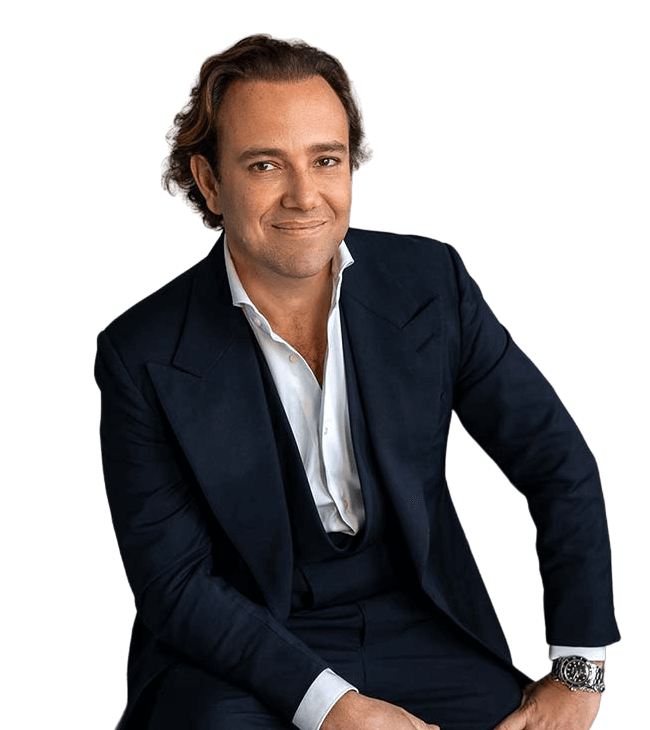
Dr Stefano Cotrufo is a Board Certified Plastic Surgeon in London Harley Street with over 15 years’ experience as a plastic surgery and reconstructive microsurgery specialist.
Results
Summary
 Procedure time
1-5 h
 Anaesthesia
Twilight
 Hospital stay
Not required
 Support garment
2 days
 Exercise
From 3-4 weeks
 Recovery
6-8 weeks
 Final results
3 months
What is Scalp Reduction
Scalp reduction is a surgical treatment for hair loss designed to remove portions of the scalp affected by alopecia, with the aim of reducing the total area of bald skin. After excision of the hairless section, the remaining healthy, hair-bearing scalp is gently stretched and repositioned so that the bald area becomes smaller and more manageable. This method can be used on its own, but is often combined with hair transplant procedures to optimise the visual result.
In many cases a small scalp reduction involves removing a strip of scalp skin measuring approximately two to five centimetres, after which the remaining scalp is stitched together. In situations such as scars from burns, trauma or previous surgery, a more extensive reduction may be considered, sometimes in two stages, first the reduction and then a hair transplant once healing has progressed.
Why Scalp Reduction May Be Recommended
Scalp reduction is particularly considered in cases of hair loss resulting from immune-related conditions, previous trauma, burns or surgical treatment. It is also useful when there is insufficient donor hair available for conventional transplant techniques, meaning a transplant alone may not achieve the desired density. By reducing the bald area first, scalp reduction can improve the chances of achieving a satisfactory result, whether on its own or in combination with transplanted hair.
How Scalp Reduction Works
The procedure begins with an initial consultation and a full scalp assessment. This allows the surgeon to evaluate the pattern and extent of hair loss, scalp flexibility, and donor hair quality. From this, a tailored treatment plan is created.
During the operation, the bald scalp is surgically removed. Depending on how much scalp is excised, the remaining hair-bearing scalp skin is then mobilised and stretched to cover the removed area. The wound is closed with sutures. In some instances, particularly when scalp skin is tight or scarred, a scalp-expansion technique may be used prior to reduction, gradually stretching the scalp skin over weeks or months to allow for a larger excision and closure. Scalp reduction can serve as the only hair restoration procedure, or it may be combined with hair transplantation, either at the same time or in a second stage, to enhance density or restore hair in areas less suitable for reduction.
What to Expect
Patients can often go home on the same day following a scalp reduction procedure. Recovery may involve some temporary tightness, swelling or discomfort in the operated area, and there can be numbness or altered sensation initially. Hair-bearing scalp used to cover the excised area will continue to produce hair; however, scalp reduction does not generate new hair, rather it redistributes existing hair-bearing scalp. In the future, further hair loss may occur, which could eventually expose scars or necessitate additional treatments such as hair transplantation or further reduction.
Why Choose Dr Stefano Cotrufo for Scalp Reduction
Choosing a surgeon of experience and skill is critical for achieving natural-looking, long-lasting results. At our London clinic, your procedure will be performed by Dr Stefano Cotrufo. Dr Cotrufo brings extensive expertise in advanced microsurgery and hair restoration, with years of dedicated experience in scalp and hair surgery.
Every patient receives a comprehensive scalp assessment, followed by a personalised treatment plan designed to meet individual needs, whether a single scalp reduction, a combined treatment with hair transplantation, or a multi-stage approach. Your treatment will be carried out using state-of-the-art surgical techniques and the highest standards of medical care. Dr Cotrufo is listed on the Specialist Register of the General Medical Council, ensuring professionalism and regulatory compliance. With Dr Cotrufo, you are in expert hands as every pre- and post-operative consultation will be with the doctor, and follow-up is included in the cost of your treatment, delivering continuity of care and peace of mind.
FAQs on Scalp Reduction
- Is scalp reduction suitable for everyone?
- Will scalp reduction prevent future hair loss?
- How many sessions of scalp reduction are usually needed?
- Will there be visible scarring after scalp reduction?
- Can scalp reduction be combined with hair transplants?
- What are the risks associated with scalp reduction?
- How long is recovery after scalp reduction?
- Will the repositioned hair grow naturally?
Is scalp reduction suitable for everyone?
Scalp reduction is best suited for patients with a stable pattern of baldness, good scalp skin elasticity, and sufficient donor hair on the sides and back of the head. It may not be appropriate if donor hair is limited or if the scalp skin lacks flexibility.
Will scalp reduction prevent future hair loss?
No. Scalp reduction repositions existing hair-bearing scalp but does not prevent ongoing hair loss. Additional treatments, such as hair transplantation or medical therapy, may still be required over time.
How many sessions of scalp reduction are usually needed?
The number of sessions depends on the extent of baldness and scalp laxity. Some patients may achieve satisfactory results in a single session, while others, especially with extensive bald areas, might require multiple procedures or a combination with hair transplantation.
Will there be visible scarring after scalp reduction?
As with any surgical excision, there will be a suture line. However, when performed by an experienced surgeon, the scar can often be placed and closed in such a way that it is concealed under existing hair.
Can scalp reduction be combined with hair transplants?
Yes. Scalp reduction is frequently combined with hair transplant procedures, either at the same time or sequentially, to restore density where required, particularly in areas beyond the reach of reduction.
What are the risks associated with scalp reduction?
Potential risks include swelling, discomfort, numbness or altered sensation, scarring, and in rare cases, wound healing complications. Patients should discuss these with their surgeon during the consultation.
How long is recovery after scalp reduction?
Most patients can go home on the same day. Recovery time varies depending on the extent of surgery, but common effects such as tightness or swelling usually subside within days to weeks.
Will the repositioned hair grow naturally?
Yes. The hair-bearing scalp used to cover the excised area retains its hair follicles and will continue to grow hair, giving a restored appearance.
Still have questions?
If you are considering Scalp Reduction Surgery in London, reach out to Dr Stefano Cotrufo for a confidential consultation and take the first step towards renewed comfort and confidence. You can also view our testimonials or follow us on Instagram. Call 0207 873 2330 or enquire below.
Dr Stefano Cotrufo



© 2026 Dr Stefano Cotrufo | All rights reserved
© 2026 Dr Stefano Cotrufo | All rights reserved