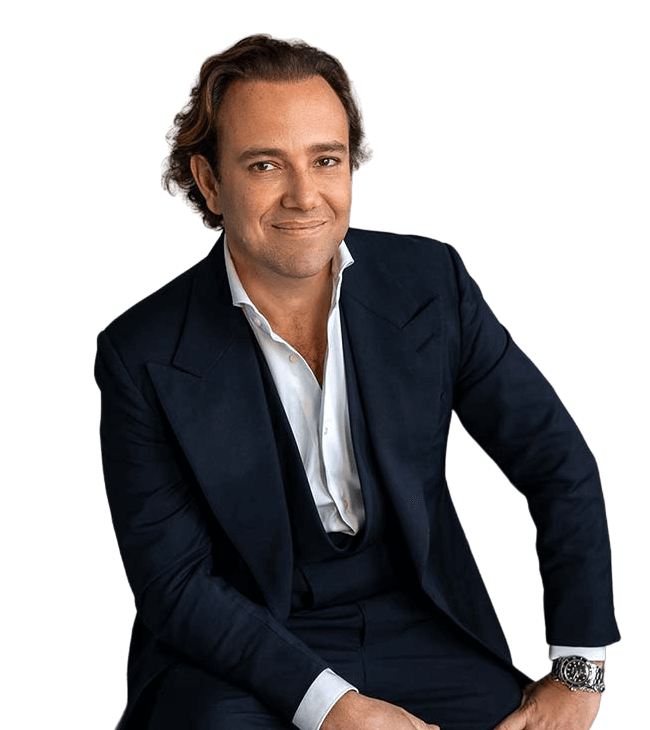
Dr Stefano Cotrufo is a Board Certified Plastic Surgeon in London Harley Street with over 15 years’ experience as a plastic surgery and reconstructive microsurgery specialist.
Results


Summary
 Procedure time
1-4 h
 Anaesthesia
Twilight or general
 Hospital stay
Optional
 Support garment
Splint up to 3 weeks
 Exercise
From 2 weeks
 Recovery
3 months
 Final results
12 months
What is Septo Rhinoplasty
Septo Rhinoplasty is a comprehensive form of nose surgery that addresses both internal structural issues and external nasal appearance. In contrast to a standard rhinoplasty which reshapes the external cartilage and bone Septo Rhinoplasty includes correction of the nasal septum (internal partition), allowing surgeons to correct functional problems like a deviated septum alongside external shaping such as adjusting the nasal bridge, tip, nostril size, or overall nose alignment.
This dual-purpose procedure is particularly suited to patients who have both breathing difficulties (due to septal deviation, valve problems or previous trauma) and aesthetic concerns like asymmetry, a hump on the nasal bridge, or disproportionate nose size relative to facial features.
Septo Rhinoplasty takes around two to three hours (sometimes longer for more complex reconstructive or revision cases).
The Septo Rhinoplasty Procedure
During surgery, Dr Cotrufo will correct internal deviations (e.g. straighten a bent or deviated septum) and remodel or reshape nasal bones and cartilage to achieve the desired external form. Depending on the specific needs, cartilage grafts (from the septum, ear or rib) may be used to strengthen or reshape nasal structures especially when addressing internal valve collapse or external asymmetry.
The technique used (open or closed rhinoplasty approach) depends on the complexity of correction required. Open rhinoplasty, involving a small external incision, may be chosen for more extensive reshaping, whereas closed rhinoplasty (all incisions inside the nostrils) is suitable for less complex modifications.
Once the internal and external corrections are complete, the nose is supported typically with internal splints or nasal packing, and an external splint or cast to stabilize the bones and cartilage as they begin to heal.
Recovery & What to Expect
Recovery from Septo Rhinoplasty follows a gradual timeline. Immediately after your surgery you may experience swelling, bruising around the nose and eyes, congestion, discomfort and nasal blockage especially if internal packing was used.
In many cases, the external splint and any nasal packing or internal splints will be removed after about a week. The first two weeks are critical. Patients are advised to rest, keep the head elevated while sleeping, avoid nose blowing or heavy lifting, and refrain from strenuous activity.
By the end of week two to four, much of the bruising typically subsides, and patients often feel comfortable returning to light work and daily activities. However, the nose will still look somewhat swollen and may feel stiff or numb, especially around the tip.
Over the next several months, as internal healing progresses and swelling continues to diminish, the refined shape of the nose becomes increasingly apparent. While noticeable improvements are often visible within weeks, final results may take up to 6–12 months (or in some cases a little longer) as the tissue settles and the nose assumes its lasting form.
Patients can generally expect a return to red-carpet presentation, resumed social life and gentle exercise within 4–6 weeks (as advised by the surgeon). Contact sports, heavy lifting or any activity risking trauma to the nose should be avoided for at least six weeks.
Why Choose Septo Rhinoplasty With Dr Stefano Cotrufo
With over 15 years’ experience in plastic and reconstructive surgery, Dr Cotrufo brings a unique blend of technical expertise, aesthetic sensibility and personal care to every procedure. Much like his approach to facelifts and neck lifts, he believes in achieving natural, harmonious results that respect each patient’s unique facial structure.
Choosing Septo Rhinoplasty with Dr Cotrufo means your procedure will be planned individually, considering not only your desired outcomes but also functional needs (breathing, nasal airflow, structural integrity). This careful balance helps ensure that results not only look good but also feel right avoiding the “overdone” look common with less considered operations.
Is Septo Rhinoplasty Right for You?
Septo Rhinoplasty may be the right choice if you are experiencing breathing difficulties, nasal obstruction or snoring caused by issues such as a deviated septum, internal valve collapse or previous trauma. Many patients also consider the procedure when they are unhappy with the external appearance of their nose, whether due to the size, shape, symmetry, bridge, tip or nostril proportion. By addressing both internal structure and external profile, Septo Rhinoplasty offers the opportunity to achieve both functional improvement and a natural, balanced nasal appearance that complements the rest of the face. The procedure is commonly recommended for individuals who are in good general health, have realistic expectations, and are prepared to follow the necessary post-operative instructions to support a smooth and predictable recovery. During the consultation, Dr Cotrufo will assess your nasal anatomy, discuss your breathing concerns and aesthetic goals, and advise on the most suitable approach to achieve an effective and harmonious result.
During your consultation, Dr Cotrufo will assess your nasal anatomy, discuss your functional and aesthetic goals, and recommend the most appropriate surgical approach, whether Septo Rhinoplasty alone or combined with adjunctive procedures for optimal results.
FAQs on Septo Rhinoplasty
- What is the difference between Septo Rhinoplasty and rhinoplasty?
- How long does Septo Rhinoplasty surgery take?
- Will I need to stay in the hospital?
- What is the recovery timeline?
- Will I be able to breathe better after Septo Rhinoplasty?
- Are there risks involved with Septo Rhinoplasty?
- How long until I see the final result?
- Can Septo Rhinoplasty be combined with other procedures?
What is the difference between Septo Rhinoplasty and rhinoplasty?
Standard rhinoplasty focuses on reshaping the external structures of the nose, the bone and cartilage for refinement. Septo Rhinoplasty, on the other hand, combines external reshaping with internal correction of the nasal septum (and sometimes the nasal valves), thereby addressing both functional issues (like breathing problems) and aesthetic concerns in a single procedure.
How long does Septo Rhinoplasty surgery take?
The procedure typically takes between two to three hours, depending on the complexity of the corrections required. More complex or reconstructive cases may take longer.
Will I need to stay in the hospital?
Most Septo Rhinoplasty procedures are done as day-cases, meaning you can often return home the same day. In some cases, depending on the surgeon’s advice and patient’s condition an overnight stay may be arranged for observation.
What is the recovery timeline?
Initial bruising and swelling typically improve over the first 2–4 weeks. Most patients return to light work within 2 weeks. Substantial healing and improved breathing may take a few months, while the final shape of the nose becomes apparent between 6–12 months after the procedure.
Will I be able to breathe better after Septo Rhinoplasty?
Yes, one of the main aims of Septo Rhinoplasty is to correct structural issues (like a deviated septum or weakened nasal valves) that block airflow. Many patients experience significantly improved nasal breathing, reduced congestion, and decreased snoring or sinus issues.
Are there risks involved with Septo Rhinoplasty?
As with any surgical procedure, Septo Rhinoplasty carries some risks, including bleeding, infection, swelling, bruising, possible temporary numbness or stiffness around the nose, and subtle asymmetries or need for revision surgery. Choosing an experienced, board-certified surgeon like Dr Cotrufo helps minimise risks and optimise outcomes.
How long until I see the final result?
While initial improvements will be visible within a few weeks, the final result, including the refined nasal shape, symmetry and optimal breathing, may take 6 to 12 months (or sometimes longer) as swelling continues to subside and internal healing completes.
Can Septo Rhinoplasty be combined with other procedures?
Yes. Depending on your facial anatomy and aesthetic goals, Septo Rhinoplasty can be combined with other facial plastic surgery procedures to create a balanced, harmonious outcome. During consultation, Dr Cotrufo will advise whether combining procedures would add benefit in your case.
Still have questions?
We’re here to help. To learn more about Septo Rhinoplasty surgery or schedule a consultation with a top-rated surgeon in London, call 0207 873 2330 or enquire below. You can also view our testimonials or follow us on Instagram.
Dr Stefano Cotrufo



© 2026 Dr Stefano Cotrufo | All rights reserved
© 2026 Dr Stefano Cotrufo | All rights reserved