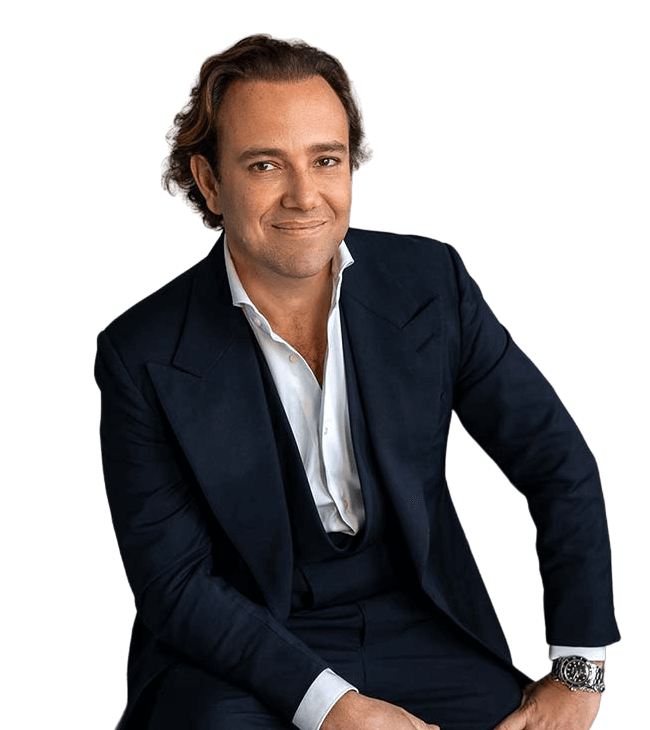
Dr Stefano Cotrufo is a Board Certified Plastic Surgeon in London Harley Street with over 15 years’ experience as a plastic surgery and reconstructive microsurgery specialist.
Results
Summary
 Procedure time
15-45 mins
 Anaesthesia
Local
 Hospital stay
Not required
 Support garment
None
 Exercise
From 1 week
 Recovery
2-4 weeks
 Final results
4 months
What is Mole Removal?
Mole removal is a minor surgical procedure that involves the extraction of benign or potentially concerning skin lesions. Moles, or melanocytic naevi, are common clusters of pigment cells that can appear anywhere on the skin. While most moles are harmless, some may become bothersome, change in appearance or texture, or be located in areas of frequent irritation. In these cases, removal can offer both plastic enhancement and health reassurance.
Why Patients Choose Dr Cotrufo for Mole Removal in London
Dr Cotrufo has extensive experience in skin cancer surgery. He led the Skin Cancer Service of the Maxillofacial Unit at the University College Hospital between 2009 and 2012. Following that, he was the responsible consultant for the surgical management of skin cancer at the Plastic Surgery Unit of the Widdershaw Hospital in Manchester. Since he established his own independent Plastic Surgery Service in Harley Street, he has provided the highest standard of diagnostics, resection, and reconstruction for skin lesions of all types. His extensive training in microsurgery applied to the head and neck region also forms the basis of his PhD; in fact, most of DCotrufo’s scientific articles published in peer-reviewed plastic surgery journals focus on facial anatomy and segmental reconstruction.
Patients trust Dr Cotrufo for his outstanding precision, dedication to safety, and aesthetic finesse. With years of experience in both reconstructive and aesthetic surgery, he ensures mole removal is conducted with minimal scarring thanks to the application of the latest guidelines in surgical management of skin lesions, along with accurate technical aspects such as vector of excision (also known as Langhens lines), principles of flap rotation and skin graft reconstruction when necessary. All procedures are performed in CQC-registered facilities under sterile and regulated conditions.
Dr Cotrufo employs a patient-centred approach to treatment. He offers honest consultations and assesses each mole individually using advanced diagnostic techniques. Depending on the mole type, shape, and location, treatment options may include laser mole removal, shave excision, elliptical excision, or punch biopsy. Laser mole removal is especially popular for raised facial moles, offering a fast, precise treatment with reduced downtime.
“Dr Cotrufo was incredibly professional, kind and meticulous. He removed a mole from my face that had always bothered me, and the result is fantastic. The scar is barely visible, and I felt at ease throughout the whole process. I wouldn’t hesitate to recommend him.” – Rebecca T.
Aftercare and Recovery
Post-procedure care is simple and well-guided. Patients receive a detailed aftercare plan, dressings, and follow-up advice. Healing typically occurs within two to four weeks, and scarring is usually minimal when aftercare instructions are followed closely. Facial moles/surgery require more extensive attention, and the follow-up protocol is usually adjusted on an ad hoc basis for each case. Postoperative scar management is an additional service offered to all patients undergoing surgery under Dr Cotrufo’s care. This includes fractionated CO2 laser, microneedling, PRP and steroid injections.
Book Your Mole Removal Consultation in London
If you have an irritating mole, a changing mole, or simply want it removed for aesthetic reasons, Dr Stefano Cotrufo can help. Contact the clinic today to arrange a consultation and take the first step toward smoother, clearer skin with expert care.
FAQs
- Will the mole come back?
- Can I remove more than one mole at the same time?
- How many sessions of scalp reduction are usually needed?
- Will I have a scar?
- Do you test the mole after removal?
- How long does the treatment take?
- Is there any downtime after mole removal?
- How do I know if my mole is suspicious?
- Can I remove a mole on my face?
- Is mole removal safe?
Will the mole come back?
When moles are fully excised, recurrence is unlikely. However, with shave or laser mole removal, some deeper pigmented cells may remain, and there is a small chance of regrowth. Suspicious moles are removed with an excision technique to ensure complete removal and reduce recurrence risk.
Can I remove more than one mole at the same time?
Yes, multiple moles can be removed in a single session, provided they are suitable and located in accessible areas. Dr Cotrufo will assess this during consultation and recommend the most appropriate treatment plan.
How many sessions of scalp reduction are usually needed?
The number of sessions depends on the extent of baldness and scalp laxity. Some patients may achieve satisfactory results in a single session, while others, especially with extensive bald areas, might require multiple procedures or a combination with hair transplantation.
Will I have a scar?
Any mole removal may leave a mark, but scarring is generally minimal when proper aftercare is followed. Laser mole removal and shave excision typically result in the least visible scars. Excisional methods may leave a fine line, which fades over time.
Do you test the mole after removal?
Yes. All moles are sent for histopathology testing by default to rule out any underlying abnormality or signs of skin cancer. Results are shared with you in a secure and timely manner. It is standard practice to include histopathological testing of any tissue sample in the initial consultation process, and consent for this is required, as it also represents an additional cost requiring the engagement of an independent specialised lab. Some patients expressed a desire not to have their tissues analysed, requiring further expansion of the related complex medico-legal implications. After excising more than a thousand skin lesions throughout his career serving the NHS, Dr Cotrufo recommends testing all skin lesions: “peace of mind is priceless”.
How long does the treatment take?
Most mole removal procedures take around 15 to 45 minutes, including technical markings and preparation. Treatment is performed as an outpatient procedure, meaning no hospital stay is required.
Is there any downtime after mole removal?
There is usually no downtime. Most patients return to normal activities immediately. However, patients are advised to avoid strenuous exercise, saunas, and swimming for a few days, depending on the type of treatment. Specific anatomical areas – the most dynamic, such as hands and feet – might require a longer recovery time to avoid complications such as wound dehiscence.
How do I know if my mole is suspicious?
Dr Cotrufo recommends using the ABCDE rule to check for irregularities: Asymmetry, Border irregularity, Colour changes, Diameter over 6mm, and Evolving shape or size. If you notice any changes or discomfort, you should seek an urgent consultation.
Can I remove a mole on my face?
Yes. Facial mole removal is common and can be done safely using a very accurate technique to optimise the outcome, targeting complete excision with adequate margins of safety. Dr Cotrufo will assess the mole and recommend the most suitable surgical approach, including cryotherapy, laser, or shave excision, to achieve the best aesthetic outcome.
Is mole removal safe?
Yes. Mole removal performed by an experienced surgeon in a clinical setting is a safe and effective procedure. Dr Cotrufo ensures strict hygiene, advanced protocols, and full aftercare support are in place to guarantee patient safety.
Still have questions?
If you are considering mole removal surgery in London, reach out to Dr Stefano Cotrufo for a confidential consultation and take the first step towards renewed comfort and confidence. You can also view our testimonials or follow us on Instagram. Call 0207 873 2330 or enquire below.
Dr Stefano Cotrufo


© 2026 Dr Stefano Cotrufo | All rights reserved
© 2026 Dr Stefano Cotrufo | All rights reserved