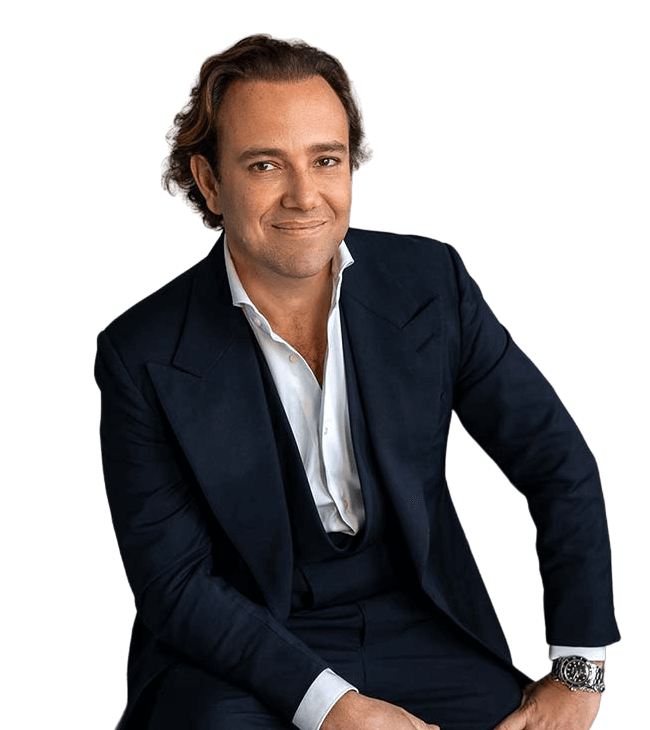
Dr Stefano Cotrufo is a Board Certified Plastic Surgeon in London Harley Street with over 15 years’ experience as a plastic surgery and reconstructive microsurgery specialist.
Results
Summary
 Procedure time
3-8 h
 Anaesthesia
Local and/or twilight
 Hospital stay
Not required
 Support garment
2 days
 Exercise
From 8-10 weeks (selected exercises)
 Recovery
3-4 weeks
 Final results
9-12 months
What is FUE?
Follicular Unit Extraction (FUE) is a modern and highly refined form of hair transplant surgery that involves the removal of individual hair follicles from a donor area, usually the back or sides of the scalp, before implanting them into thinning or balding regions. This technique creates a natural result that blends seamlessly with existing hair, restoring density, hairline definition and overall confidence. The method is widely recognised for its precision and natural appearance, largely due to advancements in surgical tools and implantation techniques.
How the FUE Hair Transplant Works
During an FUE hair transplant, the scalp is numbed locally, and mild sedation may be offered if needed. The surgeon removes individual follicular units using a micro-punch tool, generally between 0.7 mm and 1.25 mm in size, depending on the patient’s skin and hair type. Each small incision heals quickly, producing tiny circular marks that are barely visible once the donor hair has grown back. After extraction, the follicles are carefully examined and organised according to their characteristics, such as thickness and the number of hairs per graft, allowing the team to optimise density and ensure the most natural result.
The surgeon then makes tiny recipient-site incisions in the thinning or balding areas. These sites are designed with meticulous attention to angle, direction, spacing, depth and density so that transplanted hair aligns naturally with the patient’s existing hair growth pattern. The grafts are placed individually into these sites, typically just below the skin surface. Most procedures are completed in a single day, with the duration depending on the number of grafts being transplanted.
Why Choose FUE Hair Transplant
FUE is favoured for its minimally invasive nature and the discreet scarring it produces. Instead of leaving a linear scar across the back of the head, FUE results in tiny circular marks that are difficult to detect, even for individuals who prefer very short or shaved hairstyles. Recovery is generally quicker and more comfortable than traditional strip surgery, allowing most people to resume daily activities within a short period.
Another benefit of FUE is that the transplanted follicles are permanent. Because they are taken from areas of the scalp that are genetically resistant to balding, the transplanted hair usually continues to grow for a lifetime. The technique is versatile and can be used not only for scalp hair restoration but also for beard, eyebrow and other facial-hair procedures when required. When the technique is performed by an experienced surgeon, the aesthetic result is natural, dense and consistent with the patient’s existing hairline, growth pattern and hair texture.
What to Expect During and After FUE
An FUE procedure typically takes between five and eight hours, depending on the number of grafts required and the complexity of the restoration. The extraction and implantation processes involve detailed, manual work by the surgical team, and breaks may be incorporated throughout the day.
After surgery, the donor area heals with small, dot-like marks that are less than a millimetre in size. These usually become almost invisible as the hair grows back. It is normal for the transplanted hairs to shed in the first few weeks; this is part of the natural growth cycle. New growth usually begins around three to four months, with visible improvement around the six-month point. The final result develops gradually between nine and twelve months, although some patients notice continued refinement up to eighteen months. Most patients are able to return to everyday activities within a week, although strenuous exercise and pressure on the scalp should be avoided initially.
Is FUE Right for You?
FUE hair transplant surgery is suitable for individuals experiencing pattern baldness, thinning hair or long-term hair density changes, provided that there is a strong and stable donor area with sufficient hair at the back or sides of the scalp. The method is particularly well suited to those who prefer short hairstyles since the scarring is minimal and discreet. Suitability depends on factors such as the cause and extent of hair loss, the quality and density of the donor hair, and expectations around the final hairline design. A detailed consultation is required to determine whether FUE is the best option or whether another technique may be more appropriate.
Why Choose Dr Stefano Cotrufo for FUE Hair Transplant
Dr Stefano Cotrufo offers a thoughtful and individualised approach to FUE hair restoration, combining precise technique with an understanding of natural hairline design. His focus is on creating results that are subtle, balanced and suited to each patient’s features.
During consultation, he assesses donor-hair quality, the pattern of hair loss and long-term goals to determine whether Follicular Unit Extraction is the most appropriate option. Patients can expect clear guidance, an honest evaluation and a tailored plan that prioritises natural-looking outcomes.
His London practice provides a calm and professional setting, with attentive support throughout treatment and recovery. The emphasis on safety, comfort and refined aesthetic results reflects the standard of care seen across all of his surgical procedures.
FAQs on Follicular Unit Extraction (FUE)
- What is a FUE hair transplant?
- Does FUE surgery hurt?
- Will FUE leave scars?
- How long does it take to see results?
- Is the outcome permanent?
- How long does the procedure take and what is recovery like?
- Can FUE be used on other areas like the beard or eyebrows?
- Who is a suitable candidate for FUE?
What is a FUE hair transplant?
An FUE hair transplant involves removing individual hair follicles from a donor area and transplanting them into thinning or balding parts of the scalp. The method focuses on precision, natural placement and minimal scarring, and is one of the most advanced hair restoration techniques available.
Does FUE surgery hurt?
FUE is carried out under local numbing, so patients generally experience little discomfort. Some may feel pressure or a light tugging sensation during extraction or implantation, but the numbing ensures the experience remains tolerable throughout the procedure.
Will FUE leave scars?
The technique leaves very small dot-like scars, usually less than a millimetre wide, rather than a long linear scar. Once healed and covered by surrounding hair, these marks are usually barely noticeable, even for people who prefer short styles.
How long does it take to see results?
New growth typically begins three to four months after surgery. Many patients notice strong improvement by the sixth month, with the full result developing between nine to twelve months, and occasionally up to eighteen months.
Is the outcome permanent?
Yes, the transplanted follicles generally retain their long-term genetic resistance to balding. Once the new hair has grown through, it continues to behave like natural, permanent hair.
How long does the procedure take and what is recovery like?
Most FUE procedures take between five and eight hours and are completed in a single day. Recovery is relatively quick, with many patients returning to normal routines within a week.
Can FUE be used on other areas like the beard or eyebrows?
Yes, FUE can be adapted for beard, moustache, eyebrow and other facial-hair restoration, provided the donor area offers suitable follicles.
Who is a suitable candidate for FUE?
Suitable candidates include those with stable pattern hair loss, enough donor hair at the back or sides of the scalp, and realistic expectations. A consultation is required to determine candidacy based on individual factors.
Still have questions?
If you are considering FUE in London, reach out to Dr Stefano Cotrufo for a confidential consultation and take the first step towards renewed comfort and confidence. You can also view our testimonials or follow us on Instagram. Call 0207 873 2330 or enquire below.
Dr Stefano Cotrufo




© 2026 Dr Stefano Cotrufo | All rights reserved
© 2026 Dr Stefano Cotrufo | All rights reserved