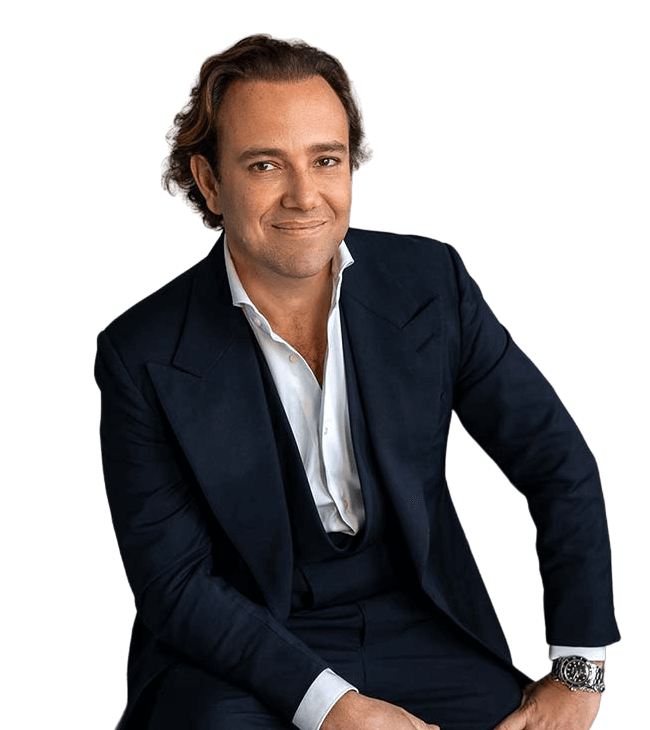
Dr Stefano Cotrufo is a Board Certified Plastic Surgeon in London Harley Street with over 15 years’ experience as a plastic surgery and reconstructive microsurgery specialist.
Results


Summary
 Procedure time
90min
 Anaesthesia
Local or sedation
 Hospital stay
Optional
 Support garment
No
 Exercise
Head up 1 week
 Recovery
6 weeks
 Final results
3 months
At Dr Stefano Cotrufo’s London clinic, ear pinning is approached with precision and care, focusing on symmetry, proportion and long-term stability of results. Each treatment plan is individualised, taking into account ear structure, cartilage shape and personal expectations.
What Ear Pinning Can Achieve
Ear pinning surgery can reduce the prominence of the ears and improve their position in relation to the head. The goal is not to change the identity of the ears, but to refine their placement so they appear more proportionate and harmonious with the face. Many patients report improved comfort and confidence following treatment, particularly in social or professional settings where hairstyles or headwear previously felt limiting.
Who Is Suitable for Ear Pinning Surgery?
Pinnaplasty may be suitable for both adults and children whose ears protrude due to the shape or position of the cartilage. The procedure is commonly performed once ear development is complete, which typically occurs in early childhood, but adults of any age may also benefit.
Suitability is determined during consultation, where ear structure, skin quality and overall health are assessed. Dr Cotrufo will also discuss expectations and whether ear pinning surgery is the most appropriate option or if alternative ear procedures should be considered.
Are There Alternatives to Ear Pinning?
In some cases, other ear procedures such as earlobe repair or reshaping may be more suitable, depending on the concern being addressed. Achieving symmetry between the ears is a key consideration, and not all concerns require repositioning alone. During your consultation, Dr Cotrufo will guide you through the available options and recommend the most appropriate approach for your needs.
Your Ear Pinning Consultation with Dr Stefano Cotrufo
In 2012, Dr Cotrufo was selected for an Ear Reconstruction Fellowship at the Royal Free Hospital, assisting Dr Waleed Sabah, who is considered one of the three best ear reconstruction specialists on the planet. Anotia, microtia and any form of deformity (congenital or post-trauma) were managed daily for 6 months. This program included the restoration of prominent ears on children who suffered social abuse at school because of their ear shape.
This fellowship was instrumental in building on Dr Cotrufo’s already extensive experience in facial plastic surgery, optimising his technical manipulation of cartilage and enabling him to operate safely and successfully on both the nose and the ear in both the reconstructive and private sectors.
“Your consultation is a vital part of the process and is designed to be thorough and informative. During this appointment, you will discuss the reasons you are considering ear pinning surgery and gain a clear understanding of the procedure recommended for you”.
A full health evaluation is carried out, alongside an assessment of the ear area. You will be guided through what to expect before, during and after treatment, including recovery, aftercare, costs and expected timescales. This ensures you are fully informed and confident before proceeding.
Preparing for Ear Pinning Surgery
As your procedure approaches, you may be asked to make certain temporary adjustments to support healing and reduce the risk of complications. These may include medical tests, changes to medication, avoiding smoking and alcohol, and protecting the ears from sun exposure.
If a general approach is planned for your procedure, you will also receive clear instructions on fasting beforehand. All preparation guidance will be explained in detail during your pre-treatment appointments.
The Ear Pinning Procedure
When performed with the highest standard of attention to detail (including the use of a microscope), ear pinning surgery typically takes around 1 hour per side. The technique involves reshaping the cartilaginous frame and repositioning the ear so that it sits closer to the head. In some cases, small amounts of skin or cartilage are resected to achieve a more natural and symmetrical result.
The ears are carefully secured using sutures, with attention paid to maintaining natural contours rather than creating a flattened appearance. The approach used is tailored to each patient’s anatomy.
Recovery After Ear Pinning Surgery
Following ear pinning surgery, it is normal for the ears to feel tender or achy in the first few days. Mild numbness may occur and usually settles over the following weeks.
A supportive bandage is worn for a period of time to protect the ears as they heal (usually 4-6 weeks, particularly when sleeping). Most swelling and bruising subside within one to two weeks, and many patients can return to work or school after approximately two weeks, depending on comfort levels.
Activities that could cause the ears to bend should be avoided, and strenuous exercise, steam rooms, saunas and sun exposure should be limited for several weeks. Scars take time to mature and may initially appear more noticeable before gradually softening and fading over several months.
Why Choose Dr Stefano Cotrufo for Ear Pinning?
Dr Stefano Cotrufo is a reconstructive microsurgery expert with a particular focus on procedures involving the face and neck, including ear correction and repair surgery. His approach to ear pinning is grounded in anatomical precision, symmetry and natural outcomes.
Patients benefit from a consultant-led experience, detailed assessment and continuity of care throughout their treatment journey. Dr Cotrufo’s meticulous surgical technique and commitment to patient safety and aftercare ensure that each individual receives a considered and personalised approach.
FAQs on Ear Pinning Surgery
- What is ear pinning surgery?
- Is ear pinning suitable for adults and children?
- How long does ear pinning surgery take?
- Is ear pinning permanent?
- How long is the recovery after pinnaplasty?
- Will there be visible scars after ear pinning?
- When can I return to normal activities?
What is ear pinning surgery?
Ear pinning surgery, also known as pinnaplasty, is a procedure that repositions prominent ears so they sit closer to the head, improving balance and symmetry.
Is ear pinning suitable for adults and children?
Yes, ear pinning can be performed on both adults and children once ear development is complete, following a suitability assessment.
How long does ear pinning surgery take?
The procedure usually takes around one hour, depending on the complexity and technique required.
Is ear pinning permanent?
Ear pinning surgery is designed to provide long-lasting results, with the ears maintaining their new position once healing is complete.
How long is the recovery after pinnaplasty?
Initial recovery typically takes one to two weeks, with continued healing and scar maturation over several months.
Will there be visible scars after ear pinning?
Scars are usually positioned behind the ears and become less noticeable over time as they heal and fade.
When can I return to normal activities?
Most patients can return to work or school after around two weeks while still wearing their “tennis-like” headband. However, strenuous activities should be avoided for several weeks, particularly callisthenics, handstands, and full-contact sports.
Still Have Questions?
We’re here to help. To learn more about Ear Pinning surgery or to schedule a consultation call 0207 873 2330 or enquire below. You can also view our testimonials or follow us on Instagram.
Dr Stefano Cotrufo






© 2026 Dr Stefano Cotrufo | All rights reserved
© 2026 Dr Stefano Cotrufo | All rights reserved